
Energy-Efficient Cool Roof Replacement in Murray, UT
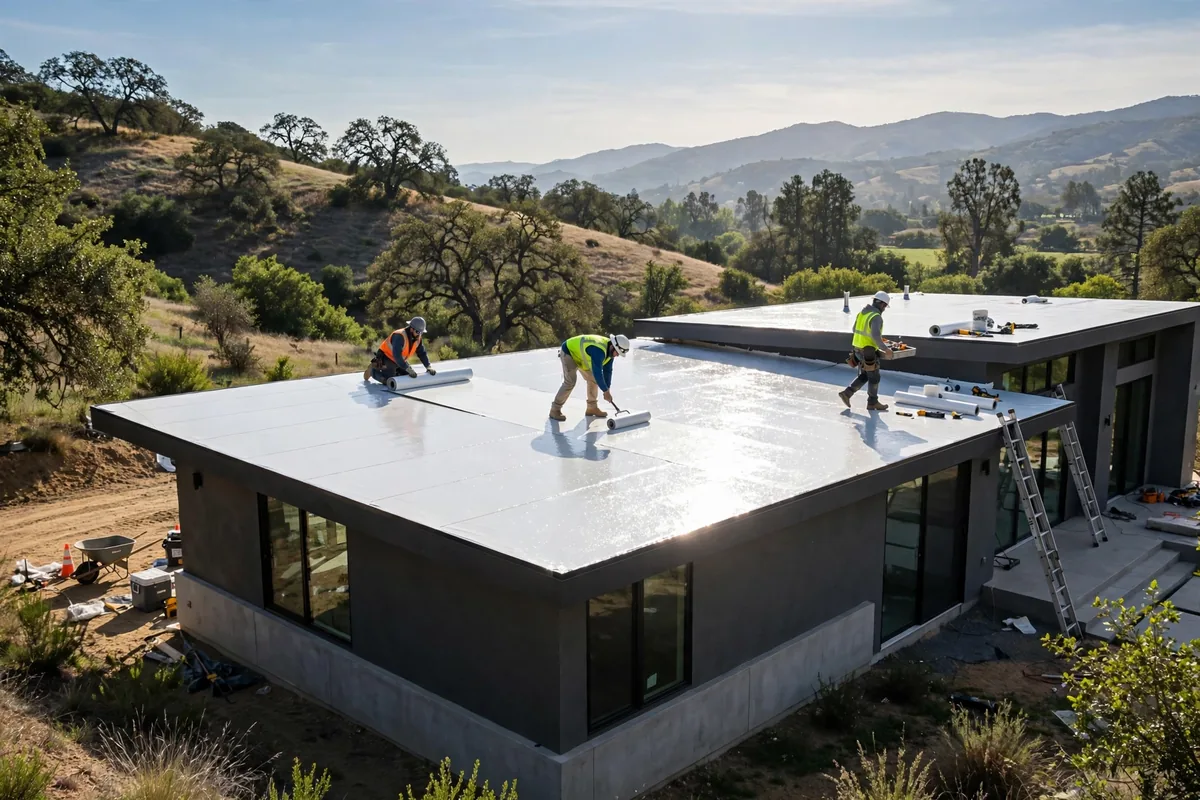
In Murray, your roof is the largest surface absorbing the sun's heat — and the biggest lever for cutting cooling costs. An energy-efficient cool roof replacement uses reflective shingles, metal, or membranes rated by the Cool Roof Rating Council to bounce solar energy away instead of soaking it into your attic. The result: a cooler home, lower AC bills, and less thermal stress on the roofing itself.
What This Service Includes
We design the replacement as a thermal system, not just a surface: reflective roofing material, radiant-barrier or high-performance underlayment options, balanced intake and exhaust ventilation, and sealed attic bypasses where accessible. Each layer compounds the cooling benefit of the others.
Need roof replacement in Murray? Call (888) 974-0663 today.
Call NowEmergency Quick CallSigns You Need This Service
- Summer cooling bills that keep climbing
- An attic that feels like an oven by afternoon
- Uneven cooling with hot upstairs rooms
- A dark, heat-absorbing roof nearing replacement age anyway
- Interest in utility rebates for cool roofing
How We Do It Right
Cool-roof asphalt shingles use specially engineered granules that reflect infrared energy while keeping traditional colors. On low-slope sections, white TPO is the gold standard. Combined with proper ventilation, homeowners typically see meaningful reductions in peak attic temperatures — which translates directly to AC runtime and equipment life.
Energy-Efficient Cool Roof Replacement for Murray Homes
With heavy Wasatch Front snow, freeze-thaw cycles, and intense high-altitude UV, Murray homeowners feel cooling costs directly. Cool-roof replacements attack the problem at its largest surface: your roof.
Related Roofing Services
Storm Damage Roof Replacement
Storm damage assessment, carrier-grade documentation, and full replacement for Murray homes hit by heavy snow and freeze-thaw cycles.
Insurance Claim Roof Replacement
We document damage, meet your adjuster, and manage supplements for Murray insurance roof replacement claims.
Roof Tear-Off & Redecking
Complete tear-off to the deck with damaged sheathing replaced — the foundation every long-lasting Murray roof needs.
Emergency Roof Replacement
Emergency dry-in and fast-tracked full replacement for Murray homes with active leaks or storm damage. Call line answered 24/7.
Areas We Serve
South Salt Lake
Roof replacement in South Salt Lake, Murray.
Millcreek
Roof replacement in Millcreek, Murray.
Murray City Center
Roof replacement in Murray City Center, Murray.
Fashion Place
Roof replacement in Fashion Place, Murray.
Helpful Guides
Roof Ventilation During Replacement: The Upgrade Most Homes Need
Guide from Roof Replacement Masters.
How Much Does Roof Replacement Cost in Murray?
Guide from Roof Replacement Masters.
Materials We Install
Cool-rated architectural shingles use granule technology that reflects more solar energy than standard shingles of similar color — you don't have to go white to gain efficiency, though lighter colors gain more. For low-slope sections, white single-ply membrane is the efficiency champion, reflecting the majority of solar heat.
The supporting cast matters as much: synthetic underlayment with radiant properties where specified, continuous ridge ventilation, and proper soffit intake. We may also recommend an attic insulation top-up coordinated with the roofing — the roof keeps heat out, insulation keeps cool air in, and together they're the whole strategy.
Safety on Your Property
Cool roof jobs carry the standard roofing safety protocols — fall protection, drop-zone control, property protection — plus heat awareness: reflective surfaces bounce sunlight, and summer installs mean crews managing heat exposure with scheduling and hydration. We plan summer work to protect both crew and homeowner comfort.
For the household, the disruption is the standard one-to-two-day replacement footprint. The payoff starts immediately: the first hot week after installation is when owners typically notice the upstairs difference.
Local Factors in Murray, UT
Murray's high-altitude sun is intense — UV levels that age standard shingles fast also make reflective roofing unusually effective here. Summer cooling loads are real even at our elevation, and the valley's temperature inversions trap heat that a cool roof helps reject.
Winter performance is the common question: no, a cool roof doesn't meaningfully increase heating costs — winter sun angles are low, days are short, and heating is driven by air temperature, not roof color. The net annual math favors cool roofing in our climate, which is why we recommend it confidently.
Frequently Asked Questions
Do cool roofs only come in white?
No. Modern cool-roof shingles use infrared-reflective granules in traditional colors — weathered wood, charcoal, brown — that look like standard shingles while reflecting far more heat.
How much can a cool roof save on cooling?
Savings vary with insulation, ventilation, and AC efficiency, but reflective roofing plus balanced ventilation typically cuts peak cooling demand noticeably. We will give you a realistic range for your home, not a sales pitch number.
How much can a cool roof actually save on cooling?
It varies with the home, but reflective roofing plus proper ventilation typically cuts peak attic temperatures dramatically — owners commonly report noticeably cooler upstairs rooms and meaningful AC savings the first summer. We'll model your exposure honestly during the estimate.
Do I have to get a white roof?
No. Cool-rated shingles come in attractive mid-tone colors with reflective granule technology — lighter than standard, not white. Only low-slope membrane sections go bright white, where the efficiency gain is largest.
Will a cool roof make winter heating worse?
Negligibly. Winter sun is weak and low-angled, and heating demand follows air temperature. The summer cooling benefit outweighs any winter effect by a wide margin in our climate.
Is the ventilation upgrade really necessary?
Yes — it's half the system. A reflective surface rejects heat at the roof; ventilation removes what gets through. Either one alone underperforms; together they're the complete strategy. That's why ventilation engineering is included, not optional.