
Roof Replacement in Cottonwood Heights, Murray, UT
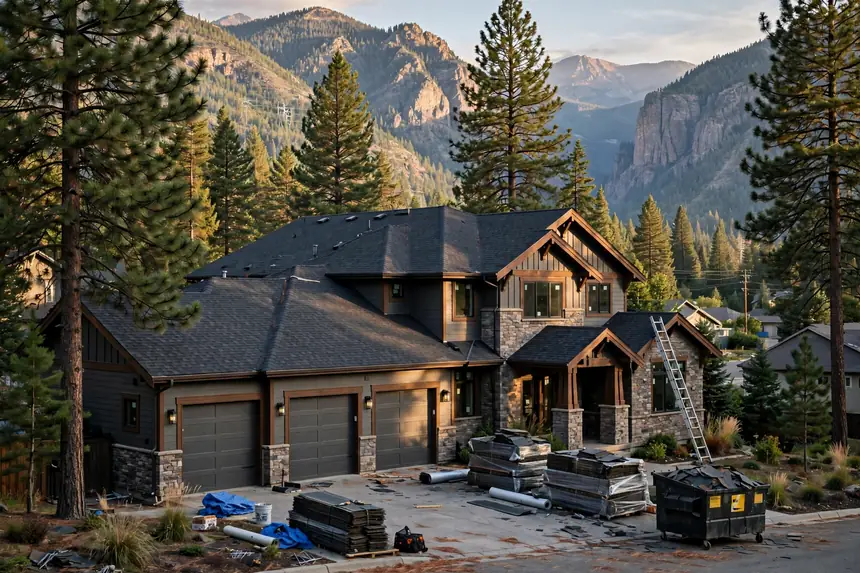
Up the east bench, where elevation means heavier snow. Snow-load engineering and ice-dam prevention drive most replacement decisions here. Homeowners in Cottonwood Heights, UT 84121 can call (888) 974-0663 for a free inspection. Homeowners in Cottonwood Heights, UT 84121 can call (888) 974-0663 for a free inspection. Homeowners in Cottonwood Heights, UT 84121 can call (888) 974-0663 for a free inspection. Homeowners in Cottonwood Heights, UT 84121 can call (888) 974-0663 for a free inspection.
Roofing Needs in Cottonwood Heights
Murray's heavy snow and freeze-thaw cycles take a steady toll on roofs across Cottonwood Heights. Homes here typically wear architectural shingles rated for high wind and impact are the workhorse, while standing-seam metal is popular for shedding snow — and snow load and ice dams mean small issues escalate fast. Our free inspection documents everything with photos.
Need roof replacement in Murray? Call (888) 974-0663 today.
Call NowEmergency Quick CallReplacement Services Available in Cottonwood Heights
- Energy-Efficient Cool Roof Replacement
- Roof Ventilation Upgrade
- Roof Replacement Warranties
- Skylight Replacement During Reroof
- Asphalt Shingle Roof Replacement
- Metal Roof Replacement
Specialty Roofing Services in Cottonwood Heights
- Asphalt Shingle Roof Replacement in Cottonwood Heights
- Cedar Shake Roof Replacement in Cottonwood Heights
- Emergency Roof Replacement in Cottonwood Heights
- Energy-Efficient Cool Roof Replacement in Cottonwood Heights
- Insurance Claim Roof Replacement in Cottonwood Heights
- Metal Roof Replacement in Cottonwood Heights
- Partial Roof Replacement in Cottonwood Heights
- Roof Replacement Warranties in Cottonwood Heights
- Roof Tear-Off & Redecking in Cottonwood Heights
- Roof Ventilation Upgrade in Cottonwood Heights
- Skylight Replacement During Reroof in Cottonwood Heights
- Storm Damage Roof Replacement in Cottonwood Heights
Nearby Areas We Also Serve
Murray City Center
Roof replacement in Murray City Center, Murray.
Fashion Place
Roof replacement in Fashion Place, Murray.
Murray Park
Roof replacement in Murray Park, Murray.
Winchester
Roof replacement in Winchester, Murray.
Helpful Guides
The Roof Replacement Process, Step by Step
Guide from Roof Replacement Masters.
Roof Insurance Claims in Murray: How Replacement Coverage Really Works
Guide from Roof Replacement Masters.
Roofing in Cottonwood Heights, UT 84121
Cottonwood Heights sits right at the mouth of Big Cottonwood Canyon, and its roofs live a harder life than almost anywhere else in the Salt Lake Valley. Storms that drop rain in Murray drop heavy, wet snow here — often several inches more per event — and the freeze-thaw cycling between storms works every seam, flashing, and shingle seal. If your roof is 20-plus years old in the 84121 ZIP, it has already survived more winter punishment than most Utah roofs see in their entire lives.
We replace roofs across Cottonwood Heights with systems engineered for this microclimate: complete tear-offs (no layering over old shingles at this elevation), full ice-and-water membrane coverage at eaves, valleys, and penetrations, and shingles or standing-seam metal rated for high wind and snow load. Every estimate is free, detailed, and in writing.
Housing and Roof Stock in Cottonwood Heights
The housing stock here is dominated by 1970s-through-1990s split-levels, tri-levels, and two-stories climbing the east bench toward the canyon mouth, mixed with newer infill and remodels along Highland Drive and Fort Union Boulevard. Many of these homes are on their second roof now — the original 20-to-25-year shingles installed in the 90s are hitting end of life right on schedule, which is why replacement demand in Cottonwood Heights runs in visible waves.
Steeper pitches are common on the bench (good for shedding snow), but the complex rooflines — multiple valleys, dormers, and intersecting gables — create exactly the spots where ice dams and wind-driven snow force water under shingles. Those valleys get rebuilt with woven ice-and-water shield, not just felt, on every job we do here.
Architectural asphalt shingles are the workhorse across the 84121 ZIP, and they perform well here when installed as a complete system with proper attic ventilation. Standing-seam metal has a strong and growing presence — it sheds snow fast, which matters when spring storms stack wet snow on sun-warmed slopes — and we install it with snow retention bars placed to protect entries and driveways from roof avalanches.
Older cedar shake roofs still show up on 70s and 80s homes near the canyon; most owners convert to Class 4 impact-rated architectural shingles or composite shake that keeps the look without the fire and maintenance burden. Whatever the material, the decking underneath gets a full inspection — decades of ice-dam moisture find their way into eave sheathing here more than anywhere else in our service area.
Weather and Local Factors
Cottonwood Heights averages meaningfully more snow than the valley floor — canyon-effect storms can add several inches per event, and spring storms arrive wetter and heavier. That wet snow loads roofs hard and then melts fast in March sun, which is the exact recipe for ice dams: meltwater refreezes at the cold eave overnight, backs up under shingles, and finds nail holes.
Summer brings the other extreme — intense high-altitude UV that cooks south and west slopes. We see granular loss accelerate on 15-year-old shingles here the way it hits 20-year-old shingles down in the valley. Wind is the third factor: canyon outflow winds gust hard enough to lift poorly sealed tabs, so every shingle we install here gets six nails and hand-sealed starter courses at rakes and eaves.
How We Work in Cottonwood Heights
What changes about the actual work in Cottonwood Heights is the margin for error. At this elevation and snow load, shortcuts that might survive a decade in the valley fail in three winters here. We never install over existing layers in the 84121 — the added weight plus trapped moisture is a structural and warranty risk. Ice-and-water shield runs a full six feet up from every eave (code minimum is less, but code minimum was written for the valley floor), wraps every valley, and seals every penetration.
Ventilation gets engineered, not guessed: balanced intake and ridge exhaust sized to the attic, because a hot attic melts roof snow from below and feeds the ice-dam cycle. On metal roofs we add snow guards over entries, garages, and walkways as standard — a standing-seam roof without them will dump a winter's worth of snow onto your front steps in one slide. These are the details that separate a roof that survives Cottonwood Heights from one that merely covers it.
Landmarks and Neighborhoods We Serve
We work all along the corridors homeowners here know by heart: Highland Drive and Fort Union Boulevard, up 2300 East toward the canyon mouth, and through the neighborhoods feeding Brighton and Solitude via Big Cottonwood Canyon Road. Staging a roofing job here means planning around narrow bench streets and steep driveways — our crews stage materials curbside and carry up, keeping your driveway clear.
Frequently Asked Questions
Do you replace roofs in Cottonwood Heights?
Yes — Roof Replacement Masters regularly completes roof replacements throughout Cottonwood Heights and the wider Murray area. Call (888) 974-0663 for a free on-site estimate.
How much does roof replacement cost in Cottonwood Heights?
Pricing in Cottonwood Heights follows Murray-wide rates: architectural shingle replacement typically runs $9,000 to $15,000 for an average home, depending on size, pitch, and deck condition.
How much more snow does Cottonwood Heights get than Murray?
Meaningfully more — canyon-effect storms routinely add several inches per event compared to the valley floor, and spring storms arrive wetter. We engineer every roof here for heavier snow loads: full tear-off, six feet of ice-and-water shield at eaves, and six-nail shingle fastening.
Is a metal roof worth it this close to the canyon?
For many homeowners, yes. Standing-seam metal sheds snow before it can build into ice dams and lasts 40–50 years — roughly two shingle lifetimes here. We add snow retention over entries and walkways so sliding snow lands where you want it.
Can you install a new roof over my old shingles here?
We don't recommend it in the 84121. The added weight, trapped moisture, and inability to install proper ice-and-water shield at the eaves make overlays a short-term gamble at this elevation. Full tear-off lets us inspect and repair the decking too.
When is the best season to replace a roof in Cottonwood Heights?
Late spring through early fall. We need reliably dry, above-freezing days for sealants and shingle sealing — winter installs are possible for emergencies with temporary protection, but planned replacements belong in the warm months.