
Roof Insurance Claims in Murray: How Replacement Coverage Really Works
Published on October 14, 2026
Published on October 14, 2026
Published on October 14, 2026
Insurance covers sudden damage — not old age. Understanding that distinction, and documenting damage correctly, is the difference between an approved replacement and a denial.
What insurance actually covers
Homeowners policies cover sudden, accidental damage: wind, hail, fallen trees, fire. They do not cover wear, age, neglect, or pre-existing issues. A 28-year-old roof leaking from age is maintenance; the same roof with wind-torn shingles after a storm is a claim.
The documentation that gets claims approved
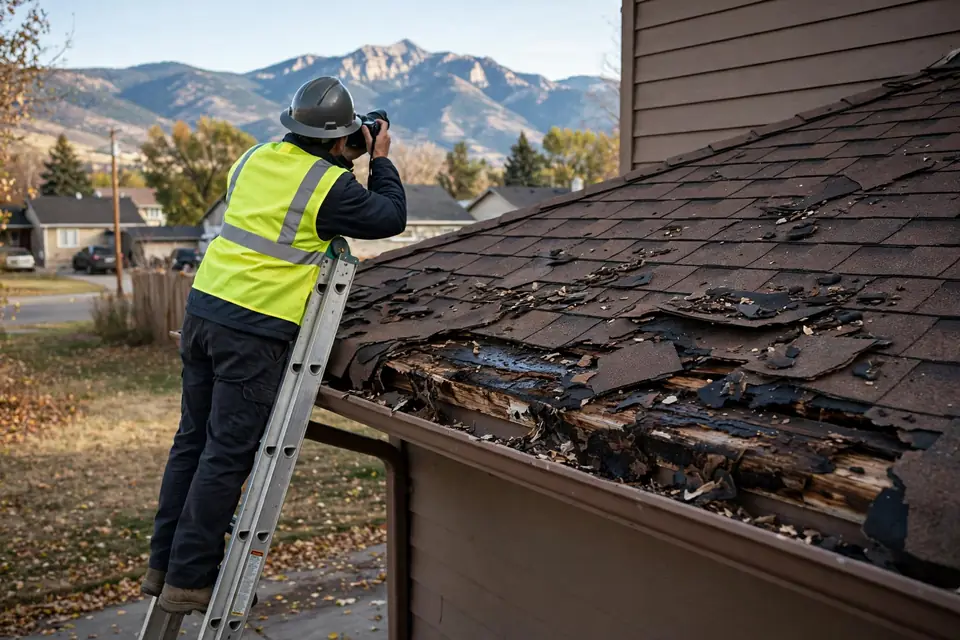
Adjusters approve what they can verify. Our claim documentation includes dated photos of every slope, hail-hit counts per test square, wind-damage mapping, and collateral damage (gutters, vents, siding). This is the evidence package that turns 'maybe' into 'approved.'
ACV vs. replacement cost policies
Actual cash value policies pay the depreciated value of your old roof — often far less than replacement cost. Replacement cost policies pay the full replacement minus your deductible, usually in two checks (ACV first, recoverable depreciation after completion). Know which you have before you file.
The adjuster meeting: why your contractor should attend
We meet adjusters on the roof with our documentation in hand. Items commonly missed in initial settlements — ridge caps, starter course, flashing, drip edge, code upgrades — get added through supplements with photo evidence. This step routinely adds thousands to approved settlements.
Need roof replacement in Murray? Call (888) 974-0663 today.
Call NowEmergency Quick CallRelated Services
Areas We Serve
South Salt Lake
Roof replacement in South Salt Lake, Murray.
Millcreek
Roof replacement in Millcreek, Murray.
More Guides
How Much Does Roof Replacement Cost in Murray?
Guide from Roof Replacement Masters.
7 Signs Your Murray Home Needs a Roof Replacement
Guide from Roof Replacement Masters.
The Adjuster Meeting: Where Claims Are Won
The adjuster visit is the claim's decisive moment, and having your roofer present changes outcomes measurably. Here's why: adjusters assess dozens of roofs weekly across all construction types, while your roofer knows your roof's specific damage pattern, the local storm's characteristics, and the code requirements the scope must meet. That expertise, present on the roof, gets damage recognized that might otherwise be minimized.
What we do at the meeting: walk the damage with the adjuster, present the photo documentation mapped to the storm event, point out the subtle signs (hail bruising patterns, wind creasing at ridges), and discuss code-required upgrades for the scope. It's professional, factual, and effective — no adversarial theatrics needed.
Supplements: The Second Half of the Claim
The initial approved scope is rarely the final scope — and that's normal, not a problem. Tear-off reveals hidden damage (rotted decking, compromised flashing, code issues) that no surface inspection could see, and the supplement process exists exactly for this: we document the newly found damage with photos, submit it to the carrier with the code citations, and get the scope adjusted.
A contractor experienced in claims handles supplements routinely; it's part of the service, not an extra. The key is documentation discipline from day one — every hidden condition photographed, every code requirement cited. That's how supplements get approved instead of argued.
When the Claim Is Denied: Your Real Options
A denial letter is not the end of the story — it is the beginning of the appeal, and a meaningful percentage of denials reverse on reinspection. The first step is to read the denial reason precisely. "Wear and tear" means the adjuster saw aging, not storm damage; "mechanical damage" suggests they believe the marks were man-made; "below deductible" means they agreed there is damage but valued it under your deductible. Each reason has a different counter: for wear-and-tear denials, dated storm reports and neighbor claims from the same event are powerful; for mechanical-damage findings, a second professional inspection documenting fracture patterns consistent with hail carries weight.
You have the right to request a reinspection, and you have the right to have your contractor present for it — exercise both. If the reinspection still denies, every policy includes an appraisal clause: you and the insurer each hire an appraiser, and they select an umpire. Appraisal costs each side a fee but resolves most disputes without lawyers. Document everything in writing from the first call onward, because the paper trail you build in week one is the evidence you argue from in month three. And remember the deadline that matters most: Utah policies typically give you one year from the date of loss to file, but the sooner the inspection, the harder it is to dismiss the damage as pre-existing.
Frequently Asked Questions
Should I file a claim before knowing if there is damage?
No. Get a professional inspection first. Filing a claim that results in zero payout can still count as claim activity on your record.
How long does the claims process take?
Simple approvals: two to six weeks. Disputed or supplemented claims: two to four months. We keep the process moving with prompt documentation at every step.